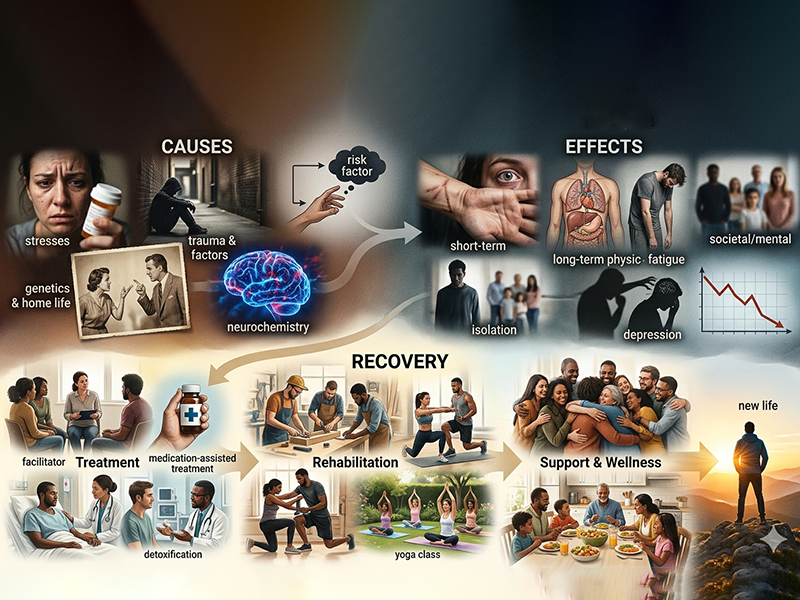
Supporting a loved one through addiction is one of the most emotionally complex challenges a family can face. You want to help, protect, and guide them—but without clear boundaries, support can unintentionally turn into enabling. Striking the right balance is essential, not only for their recovery but for your own well-being.
This blog breaks down practical, professional strategies to support a family member battling addiction without enabling destructive behavior, while maintaining compassion and clarity.
Understanding the Difference: Support vs. Enabling
Before taking action, it’s important to understand what separates healthy support from harmful enabling.
Support encourages accountability, recovery, and long-term change. Enabling removes consequences and allows the addiction to continue unchecked. For example:
- Paying for rehab or therapy → Support
- Giving money that may fund substance use → Enabling
- Encouraging treatment → Support
- Covering up their mistakes → Enabling
The key distinction lies in whether your actions help them grow or protect the addiction.
Why Enabling Happens
Enabling is rarely intentional. It often stems from:
- Fear of losing the person
- Guilt or a sense of responsibility
- Emotional exhaustion
- Desire to “fix” the situation quickly
While these feelings are valid, enabling can delay recovery by removing the natural consequences that often motivate change.
- Set Clear and Consistent Boundaries
Boundaries are not punishments—they are protective measures. Define what you will and won’t accept. For example:
- No substance use in your home
- No financial support without accountability
- No tolerance for abusive behavior
The most important part is consistency. If boundaries are set but not enforced, they lose effectiveness and create confusion.
Tip: Communicate boundaries calmly and clearly. Avoid emotional confrontations or ultimatums you cannot uphold.
- Avoid Financial Support That Fuels Addiction
Money is one of the most common ways families unintentionally enable addiction. Instead of giving cash:
- Offer groceries or essential items
- Pay directly for treatment or counseling
- Help with structured, recovery-related expenses
This ensures your support is purpose-driven rather than harmful.
- Encourage Professional Help
Addiction is a complex medical and psychological condition that often requires professional treatment. Encourage options such as:
- Rehabilitation programs
- Therapy or counseling
- Support groups (like NA or AA)
Be supportive, but avoid forcing treatment unless absolutely necessary. Recovery is most effective when the individual is personally committed.
- Stop Covering Up Consequences
Shielding someone from the consequences of their actions can prolong addiction. Examples of enabling behavior:
- Calling in sick for them
- Paying off debts caused by substance use
- Making excuses for their behavior
Allowing them to face consequences may feel harsh, but it often creates the wake-up call needed for change.
- Practice Compassion Without Losing Accountability
You can be empathetic without accepting harmful behavior. Use language that shows care but reinforces responsibility:
- “I care about you, but I can’t support this behavior.”
- “I’m here for you when you’re ready to seek help.”
This approach avoids shame while maintaining clear expectations.
- Educate Yourself About Addiction
Understanding addiction helps you respond more effectively. Learn about:
- Triggers and relapse cycles
- Psychological dependency
- Withdrawal symptoms
- Recovery timelines
This knowledge allows you to separate the person from the addiction and respond with informed support rather than emotional reaction.
- Take Care of Your Own Mental Health
Supporting someone with addiction can be draining. Ignoring your own needs leads to burnout, resentment, and emotional exhaustion. Make time for:
- Personal boundaries
- Counseling or therapy
- Support groups for families (like Al-Anon)
- Rest and self-care
Remember, you cannot support someone effectively if you are emotionally depleted.
- Be Prepared for Resistance
Not everyone is ready to accept help immediately. Denial is a common part of addiction. You may encounter:
- Anger or defensiveness
- Manipulation
- Broken promises
Stay firm in your boundaries and avoid being pulled into cycles of negotiation or emotional pressure. Consistency over time is more impactful than repeated arguments.
- Support Recovery, Not Just Sobriety
Recovery goes beyond stopping substance use—it involves rebuilding life, habits, and identity. Encourage:
- Healthy routines
- Positive social connections
- Skill-building and purpose-driven activities
Focus on long-term growth rather than short-term fixes.
- Know When to Step Back
In some situations, the healthiest choice is to create distance—especially if the relationship becomes toxic or unsafe.
Stepping back does not mean you don’t care. It means you recognize your limits and prioritize safety and stability.
Final Thoughts
Supporting a family member battling addiction requires strength, patience, and clarity. The goal is not to control their choices but to create an environment where recovery is possible, and enabling is not.
By setting boundaries, encouraging professional help, and maintaining your own well-being, you offer the kind of support that promotes real change—not temporary relief.
Recovery is a long journey, often filled with setbacks. But with the right approach, your role can shift from trying to rescue them to standing beside them as they rebuild their life.