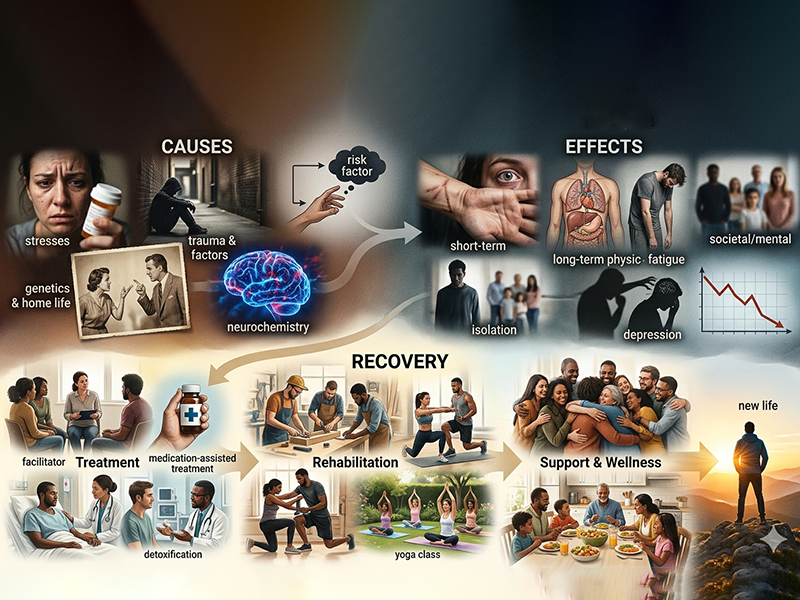
Recovering from addiction or behavioral challenges is rarely a straight path. For many individuals, a therapeutic community rehabilitation program offers a structured and deeply supportive environment designed to rebuild not just sobriety, but a sense of purpose and identity. If you or someone you care about is considering this approach, understanding what to expect can make the transition less overwhelming and far more meaningful.
Understanding the Therapeutic Community Model
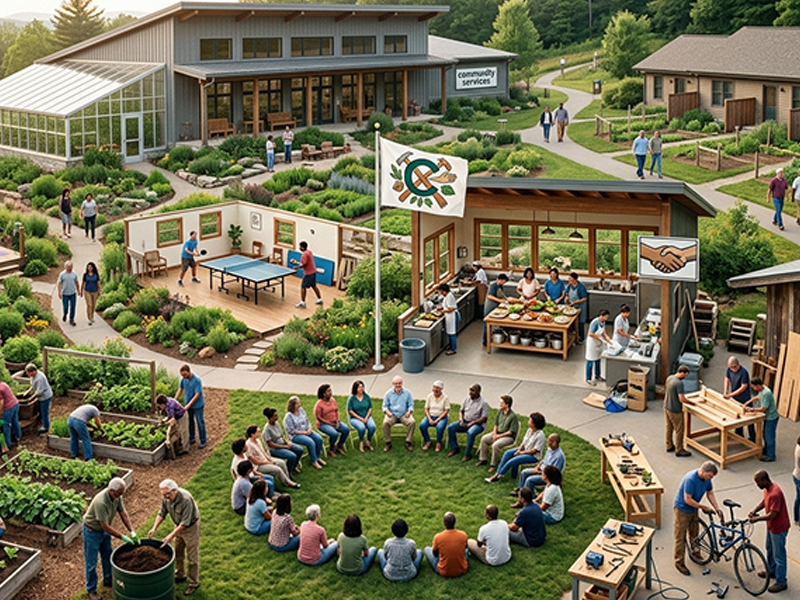
A therapeutic community (TC) is not just a treatment program—it’s a live-in, structured social environment where individuals actively participate in their own recovery while supporting others. Unlike traditional rehab models that rely heavily on one-on-one therapy, TCs emphasize community as the method of change.
Residents live together, follow a daily routine, and engage in shared responsibilities. The idea is simple but powerful: positive behavioral change happens through mutual accountability, peer influence, and consistent structure. Over time, individuals begin to replace harmful habits with healthier patterns shaped by the community itself.
A Highly Structured Daily Routine
One of the first things people notice in a therapeutic community is the level of structure. Each day typically follows a carefully planned schedule that includes:
- Group therapy sessions
- Individual counseling
- Educational workshops
- Work assignments or vocational tasks
- Reflection or journaling time
This structure is intentional. Many individuals entering rehabilitation come from unstable or chaotic environments. A consistent routine helps restore discipline, time management, and a sense of stability, all of which are essential for long-term recovery.
Peer Support and Accountability
In a therapeutic community, peers play a central role in the recovery process. Residents are encouraged to give and receive feedback, often in group settings where honesty is valued over comfort. This can feel intense at first, especially for those who are not used to open confrontation or vulnerability.
However, this dynamic is one of the most transformative aspects of the program. Being surrounded by others who share similar struggles creates a sense of belonging and understanding that is difficult to replicate elsewhere. Over time, individuals learn to take responsibility for their actions while also supporting others in their journey.
Behavioral Change Through Responsibility
Therapeutic communities operate on the belief that behavior can be reshaped through consistent practice and accountability. Residents are often assigned roles within the community—such as mentoring newcomers, managing daily tasks, or leading group discussions. These responsibilities are not just about keeping the program running. They are designed to help individuals develop:
- Leadership skills
- Self-discipline
- Confidence
- A sense of purpose
By contributing to the community, residents begin to see themselves as capable and valuable, which plays a critical role in rebuilding self-esteem.
Emotional Growth and Self-Awareness
Beyond routine and responsibility, therapeutic communities place a strong emphasis on emotional development. Many individuals entering rehab have experienced trauma, loss, or prolonged stress, often without the tools to process those experiences. Through group therapy, guided discussions, and reflective exercises, residents are encouraged to explore:
- The root causes of their behavior
- Emotional triggers and coping mechanisms
- Patterns of thinking that contribute to addiction or harmful habits
This process can be challenging, but it is also where some of the most meaningful breakthroughs occur. Over time, individuals gain a deeper understanding of themselves and develop healthier ways to respond to life’s pressures.
Gradual Progress and Phases of Recovery
Most therapeutic community programs are divided into phases, allowing residents to progress step by step. Early stages often focus on adjustment—learning the rules, building trust, and stabilizing behavior. As individuals move forward, they take on more responsibility and begin preparing for life outside the program.
This phased approach ensures that change is not rushed. Instead, it allows individuals to internalize new habits and mindsets, making them more likely to sustain recovery in the long term.
Preparing for Reintegration into Society
A key goal of any therapeutic community rehabilitation program is to prepare individuals for a successful return to everyday life. This includes practical support such as:
- Job readiness training
- Communication and interpersonal skills
- Relapse prevention strategies
- Goal setting and future planning
Reintegration is often one of the most challenging stages of recovery. The structured environment of a TC provides a safe space to practice real-world skills before facing external pressures.
Challenges You May Encounter
While therapeutic communities offer many benefits, it’s important to approach them with realistic expectations. The experience can be emotionally demanding, especially in the beginning. Adjusting to strict routines, receiving honest feedback, and confronting personal issues can feel uncomfortable.
However, this discomfort is often part of the growth process. Those who remain committed to the program frequently find that these challenges lead to lasting transformation and resilience.
Is a Therapeutic Community Right for You?
A therapeutic community rehabilitation program is best suited for individuals who are ready to engage actively in their recovery. It requires commitment, openness, and a willingness to be part of a shared journey.
For many, this model offers more than just recovery—it provides a chance to rebuild identity, restore confidence, and lay a foundation for a healthier future.
Final Thoughts
Choosing the right rehabilitation program is a deeply personal decision. Therapeutic communities stand out because they treat recovery as a collective, transformative process rather than an isolated experience. By combining structure, peer support, and personal accountability, these programs create an environment where real, lasting change can take root.
If you’re considering this path, knowing what to expect can make all the difference. With the right mindset and support, a therapeutic community can be a powerful step toward a more stable and fulfilling life.