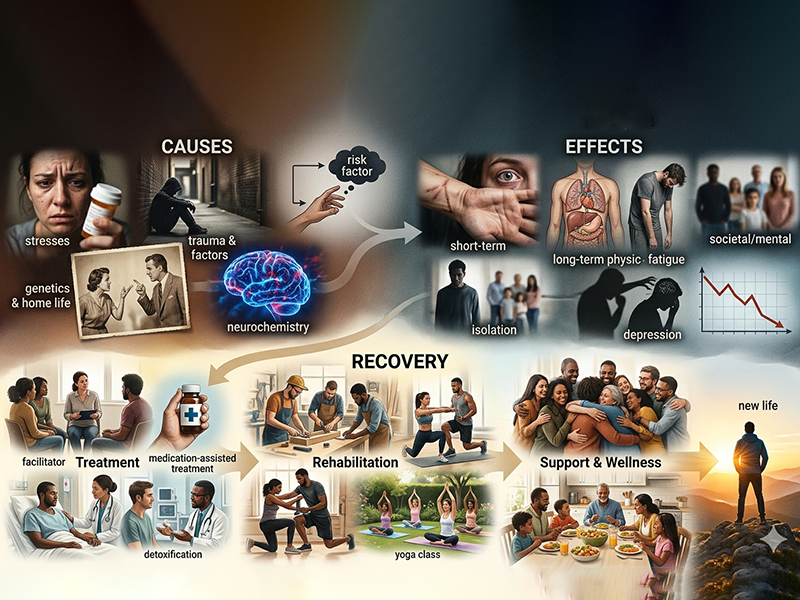
Heroin addiction remains one of the most serious public health challenges worldwide. It affects individuals, families, and entire communities, often progressing quickly from experimentation to dependency. Understanding heroin addiction—its causes, effects, and recovery options—is essential for raising awareness, reducing stigma, and guiding those affected toward meaningful support.
What Is Heroin Addiction?
Heroin is an opioid derived from morphine, typically appearing as a white or brown powder or a black sticky substance known as “black tar.” It is highly addictive because it rapidly enters the brain and binds to opioid receptors, producing intense feelings of pleasure and relief from pain.
Over time, repeated use alters brain chemistry, making it difficult for individuals to function without the drug. This dependency is not simply a lack of willpower—it is a chronic condition that requires structured treatment and long-term management.
Causes of Heroin Addiction
Heroin addiction rarely develops from a single factor. Instead, it is often the result of a combination of biological, psychological, and environmental influences.
- Biological Factors
Genetics can play a significant role in addiction risk. Individuals with a family history of substance abuse may be more vulnerable due to inherited traits that affect impulse control, stress response, and reward sensitivity.
- Psychological Factors
Mental health conditions such as anxiety, depression, PTSD, and unresolved trauma are closely linked to substance abuse. Many individuals turn to heroin as a way to escape emotional pain or cope with overwhelming stress.
- Environmental Influences
Exposure to drug use, unstable living conditions, poverty, and lack of support systems can increase the likelihood of addiction. Social environments where drug use is normalized often accelerate the transition from experimentation to dependency.
- Prescription Opioid Misuse
A significant number of heroin users begin with prescription painkillers. When access to these medications becomes restricted, some individuals turn to heroin as a cheaper and more accessible alternative.
Effects of Heroin Addiction
The impact of heroin addiction extends far beyond the individual, affecting physical health, mental well-being, relationships, and society at large.
Physical Effects
- Severe drowsiness and slowed breathing
- Increased risk of overdose and death
- Collapsed veins (from injection use)
- Chronic infections and a weakened immune system
- Gastrointestinal issues and long-term organ damage
Psychological Effects
- Intense cravings and compulsive behavior
- Mood swings, depression, and anxiety
- Cognitive impairment and poor decision-making
- Emotional numbness and loss of motivation
Social and Behavioral Effects
- Strained or broken relationships
- Job loss and financial instability
- Legal issues and potential incarceration
- Isolation and withdrawal from normal activities
Long-Term Consequences
Without treatment, heroin addiction can lead to life-threatening complications, including overdose, infectious diseases, and severe mental health decline. It often creates a cycle where individuals prioritize drug use over all other aspects of life.
Recognizing the Signs of Heroin Addiction
Early recognition can make a critical difference in recovery outcomes. Common signs include:
- Sudden changes in behavior or personality
- Neglect of responsibilities and personal hygiene
- Secretive behavior or social withdrawal
- Unexplained financial problems
- Physical indicators such as track marks or frequent fatigue
If these signs are present, early intervention is key to preventing further harm.
Recovery from Heroin Addiction
Recovery is possible, but it requires a comprehensive and sustained approach. There is no one-size-fits-all solution—effective treatment combines medical care, psychological support, and lifestyle changes.
- Detoxification
Detox is often the first step, allowing the body to eliminate heroin. Withdrawal symptoms can be intense, including nausea, muscle pain, insomnia, and anxiety. Medical supervision is strongly recommended to ensure safety and comfort.
- Medication-Assisted Treatment (MAT)
Medications such as methadone, buprenorphine, and naltrexone help reduce cravings and withdrawal symptoms. MAT has been proven to improve recovery outcomes and reduce the risk of relapse.
- Behavioral Therapy
Therapies such as Cognitive Behavioral Therapy (CBT) and counseling address the underlying causes of addiction. They help individuals develop healthier coping strategies and rebuild decision-making skills.
- Support Systems
Support from family, peer groups, and recovery communities plays a crucial role in long-term success. Programs like group therapy and 12-step meetings provide accountability and shared understanding.
- Lifestyle Changes
Recovery often involves rebuilding daily routines, setting goals, and creating a stable environment. Education, employment, and healthy relationships contribute to sustained progress.
Challenges in Recovery
Recovery is not a linear process. Relapse can occur, but it does not mean failure—it highlights the need for adjusted strategies and continued support. Common challenges include:
- Persistent cravings
- Emotional triggers
- Social pressures
- Limited access to treatment resources
Addressing these barriers is essential for long-term recovery success.
Breaking the Stigma Around Addiction
One of the biggest obstacles to recovery is stigma. Many individuals avoid seeking help due to fear of judgment or discrimination. Viewing addiction as a medical condition rather than a moral failing encourages compassion and increases access to treatment.
Communities, healthcare providers, and families all play a role in fostering a supportive environment where individuals feel safe to seek help.
Final Thoughts
Heroin addiction is a complex and deeply challenging condition, but recovery is achievable with the right support and resources. By understanding its causes, recognizing its effects, and promoting evidence-based treatment, we can create pathways toward healing and long-term stability.
If you or someone you know is struggling with heroin addiction, seeking professional help is the first and most important step toward recovery.